

Welcome to the World Apheresis Association
Presidential Message
At the most recent meeting of the World Apheresis Association (WAA), held in Denver in collaboration with the American Society for Apheresis (ASFA), I had the great privilege and honor of being elected President of the WAA for the 2026–2028 term. Standing before you today as President of this Association fills me with deep pride and sincere gratitude. It is both an honor and a profound responsibility to carry forward the mission and legacy of this remarkable global community.
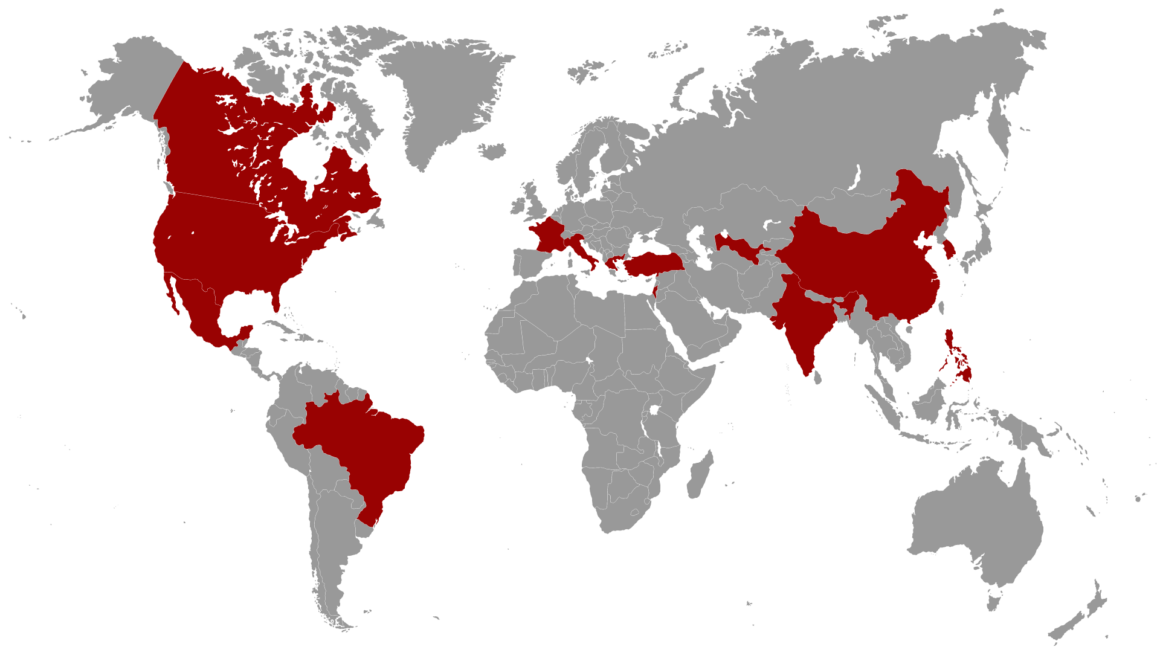
I am truly humbled by the trust placed in me. I extend my heartfelt thanks to our immediate past president, Dr. Yossi Schwartz, whose leadership over the past two years has guided the Association with success and vision. Under his stewardship, WAA has continued to strengthen its role among international and national societies—this year proudly comprising 21 member societies. I also wish to acknowledge all those who, over the years, have shaped the WAA into a global force for progress in apheresis.
In May 2026, we commemorate a historic milestone: the 40th anniversary of the first formal meeting of the World Apheresis Association, held in Tokyo, Japan, under the presidency of Professor Takashi Oda. The Association itself had been founded earlier, in 1984 in Dijon, France, by seven pioneering societies: ASFA; Canadian Apheresis Group (CAG), European Society for Hamapheresis (ESFH), Grupo Latinoamericano de Hemaféresis (GLHEMA), International Society for Artificial Organs (ISAO), Japan Society of Therapeutic Plasmapheresis (JSTP) and Société Française d’Échanges Plasmatiques (SFEP).
From these early foundations, WAA has grown into a vibrant and respected network of experts dedicated to advancing the science and clinical practice of apheresis. Over the decades, through collaboration, innovation, and unwavering commitment, our Association has fostered excellence in patient care, donor safety, and scientific discovery. These achievements have set standards that continue to inspire us all.
The true strength of WAA lies in our unity and in the collaborative spirit that defines our work. Our biennial meetings—bringing together national and international societies—are a testament to the power of shared knowledge, exchanged experiences, and newly forged partnerships. Even in the face of global challenges, such as the COVID-19 pandemic, our community demonstrated resilience and adaptability, underscoring the value of teamwork and mutual support. Together, we amplify our impact and propel the field of apheresis forward. In this effort, collaboration with our corporate partners—who actively contribute to advancements in apheresis technology and practice—is both necessary and essential.
As I begin this presidency, my aspirations are firmly guided by our shared purpose: to advance the science and practice of apheresis for the benefit of patients and donors worldwide. I am committed to promoting cutting-edge research, fostering educational opportunities, and expanding the global reach of our Association. We will continue striving to enhance the donor experience, improve patient outcomes, and explore innovative therapeutic approaches through rigorous scientific inquiry and collaboration. Within this framework, the WAA Apheresis Registry, led since its inception by Professor Bernd Stegmayr, plays a pivotal role. The registry enables us to systematically collect data on our activities, analyze outcomes, and ultimately generate evidence-based recommendations that guide best clinical practices for optimal patient care.
My goal is to build upon our rich history, engage emerging leaders, and ensure that WAA remains at the forefront of global healthcare and scientific excellence. I warmly invite all members and stakeholders to share ideas, participate actively, and support our initiatives. Your dedication is the heart of this Association, and your passion is the driving force behind our progress. Together, we will continue shaping the future of apheresis and making a meaningful, lasting difference for the communities we serve.
Miquel Lozano, MD, PhD